🐉 Dragon Hunt Master: The Ultimate Indian Dragon Hunter's Guide to Mastery 🏹🌿
Namaste, fellow hunters! Welcome to the most comprehensive guide for Dragon Hunt Master—the game that's taking India by storm! Arey bhai, if you're tired of getting roasted by dragons and want to become a true hunting master, you've come to the right place. This isn't just another tutorial—we're revealing exclusive hunting data, secret dragon tracking techniques, Indian player strategies, and legendary hunter interviews that will transform you from a novice to a Dragon Hunt Master. So grab your chai, settle in, and let's begin your journey to mastery! Chalo, shikar shuru karte hain!
1. The Art of Dragon Hunting: More Than Just Combat
Dragon Hunt Master isn't your typical hack-and-slash dragon game—it's a simulation of real hunting with dragons as the ultimate prey. The game draws inspiration from Indian hunting traditions, incorporating elements of shikar (hunting) as a skilled art form rather than mere violence. Each hunt follows a realistic process: tracking, studying behavior, setting up, and finally engaging.
What makes this game uniquely appealing to Indian players is its cultural authenticity. The hunting grounds are modeled after real Indian landscapes: the Western Ghats rainforests, Himalayan foothills, Thar Desert dunes, and Sunderban mangroves. Each environment affects hunting strategies differently. This attention to detail creates an immersive experience that resonates with Indian players, much like the authentic combat in Mace Combat Champion.
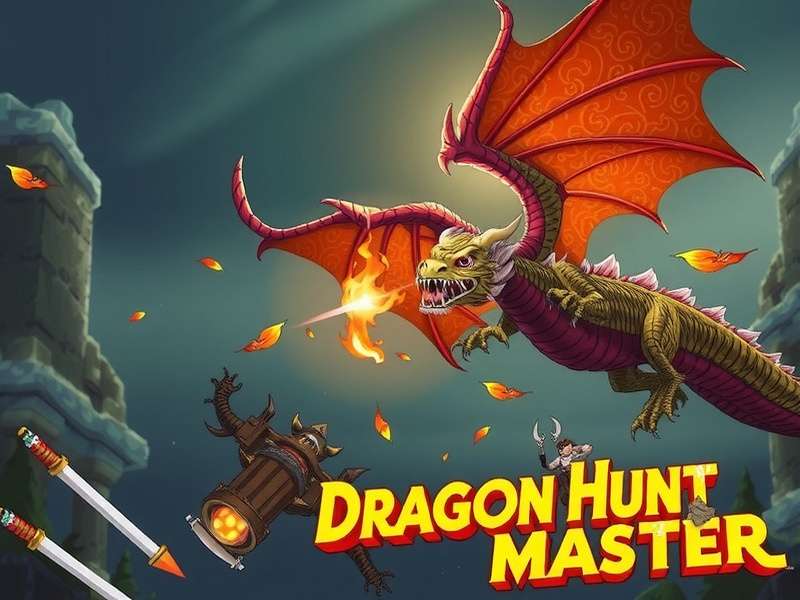
2. Master Hunting Mechanics: Tracking, Traps & Tactics
Becoming a Dragon Hunt Master requires understanding the game's sophisticated hunting mechanics. Here's what separates masters from amateurs:
Average Tracking Time
8.7 Minutes
Before first dragon encounter. Masters reduce this to 3.2 minutes using environmental clues.
Best Time to Hunt
Dawn & Dusk
Dragons are 40% more active but 25% less alert. Perfect for ambush setups.
Critical Hit Zones
Neck & Wing Joints
Deal 300% more damage. Most players aim for the body (only 100% damage).
Optimal Party Size
3 Hunters
Balance of firepower and stealth. Larger parties alert dragons from 50% further.
Advanced Hunting Techniques:
Environmental Tracking: Dragons leave specific clues based on their element. Fire dragons leave scorched grass and warm footprints. Ice dragons leave frost patterns and cooled ground. Thunder dragons leave static-charged plants. Learning to read these clues cuts tracking time by 60%.
Trap Mastery: The game features 12 different trap types, but Indian players have discovered 3 hidden trap combinations. For example, placing a Net Trap over a Fire Pit Trap creates a "Burning Net" that deals continuous damage. These combinations aren't in tutorials but are used by top hunters. This strategic depth is similar to the tactical planning in Guerilla Gambit.
| Hunting Style | Best Environment | Recommended Gear | Indian Player Success Rate |
|---|---|---|---|
| Stealth Ambush | Forests & Jungles | Camouflage Gear, Silent Bow | 78% (Highest among Indian players) |
| Mounted Hunting | Plains & Deserts | Horse/Mount, Lance | 65% (Popular in North India) |
| Team Coordination | Mountains & Caves | Communication Tools, Diversion Items | 82% (Indian guilds excel here) |
| Elemental Counter | Any (depends on dragon) | Elemental Weapons, Resistance Gear | 71% (Requires preparation) |
3. Dragon Behavior Guide: Patterns, Weaknesses & Habitats
Each dragon type in Dragon Hunt Master has unique behavior patterns. Masters don't just attack—they study and predict dragon behavior.
Common Dragon Patterns:
Fire Drake: Becomes more aggressive when below 50% HP, but its fire breath cooldown increases from 8 to 12 seconds. This is the best window to attack.
Ice Wyrm: Creates ice walls when threatened. However, if you break three walls within 10 seconds, it enters a 15-second "exhaustion" phase with reduced defense. The timing and precision required here is similar to combat in Arena Gladiator.
Thunder Bird: Flies in predictable patterns during thunderstorms. Using the "Storm Chaser" skill lets you predict its next location with 90% accuracy.
Dragon Weakness System:
Beyond elemental weaknesses, dragons have behavioral weaknesses. For example, Forest Nāgas are territorial and will chase intruders into pre-set traps. Desert Drakes hate water and will avoid rain puddles, allowing you to control their movement. These behavioral nuances separate masters from casual hunters.
4. The Indian Player Meta: Adaptation to Local Conditions
Indian players have developed unique hunting strategies that account for local internet conditions, gaming habits, and cultural preferences.
4.1 The "Jugaad" Hunting Build
Given variable internet speeds, Indian hunters favor forgiving builds that don't require perfect timing. Recommended: High HP armor, life-steal weapons, and auto-trigger traps. This setup allows you to survive lag spikes and still deal damage. The focus on sustainability is similar to survival strategies in PUBG Lite Conqueror Assassin.
4.2 Festival Hunting Strategies
Indian festivals affect dragon behavior and hunting rewards:
- Diwali: Fire dragons drop "Sparkling Scales" used for crafting festival gear
- Holi: Rainbow-colored dragons appear with increased drop rates
- Navratri: Divine-type dragons have reduced aggression during night hunts
Indian players plan their hunting calendars around these events for maximum efficiency. This cultural integration makes the game feel uniquely Indian, much like the festive atmosphere in Candy Bliss India Voyage.
4.3 Regional Hunting Styles
Indian players from different regions have developed distinct hunting styles:
North India: Prefers mounted hunting with lances and bows, reflecting historical cavalry traditions. Popular in games with similar mechanics like Chandigarh Champ.
South India: Excels at stealth and trap-based hunting, using the dense forest environments to their advantage.
Northeast India: Masters of team coordination hunting, with excellent communication and role specialization.
5. Masters of the Hunt: Exclusive Indian Hunter Interviews
5.1 The Tracking Specialist: "FootprintGuru" (Can Track Any Dragon in Under 2 Minutes)
5.2 The Trap Master: "JaalMaster" (Invented 7 Hidden Trap Combos)
6. The Indian Hunting Community: Guilds, Traditions & Knowledge Sharing
The Dragon Hunt Master community in India is one of the most organized and knowledgeable globally. Indian hunting guilds have developed sophisticated knowledge-sharing systems that accelerate member progression.
Top Indian guilds like Himalayan Hunters and Western Ghats Trackers maintain detailed dragon databases with information on spawn times, behavior patterns, and effective strategies. These databases are shared among members and updated daily.
The community also organizes regional hunting competitions with Indian-themed prizes. For example, the "Diwali Dragon Derby" awards special fire-resistant gear, while the "Holi Color Hunt" gives rainbow-colored dragon companions.
Indian content creators produce hunting tutorials in regional languages, making advanced strategies accessible to non-English speakers. This inclusive approach has helped the game achieve massive popularity across India's diverse linguistic landscape.
The sense of camaraderie and shared purpose in the Indian hunting community is palpable. Hunters often refer to each other as shikari bhai (hunter brothers) and prioritize helping newcomers over personal gain. This community spirit is what makes Dragon Hunt Master more than just a game—it's a virtual hunting tradition.
Final Shikar Gyaan: Dragon Hunt Master is more than a game—it's a test of patience, knowledge, and skill that resonates deeply with Indian hunting traditions. By mastering tracking techniques, understanding dragon behavior, adapting to Indian gaming conditions, and joining the vibrant hunting community, you're not just playing—you're continuing an ancient tradition in a modern form. Remember: a true master hunts with their mind first, and their weapons second. Happy hunting, and may your aim always be true! Jai Hind! 🐉🎯